
A Word from Nick Sinclair
A life in period houses
Nick Sinclair on buying, living in and improving old houses — and why an honest conversation before you commit is worth having.
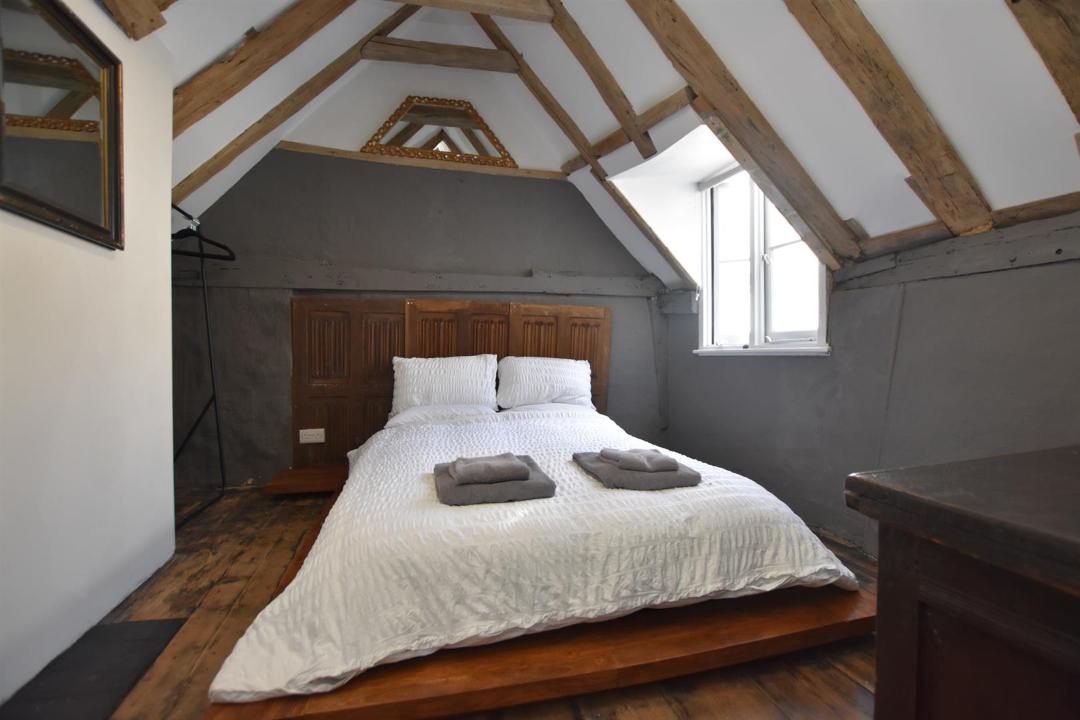
I’ve spent much of my life buying, living in and improving period houses. Some were listed; most needed work. Living in them, I’ve learned first-hand how decisions about colour, materials, damp, sound and layout affect the way an old house feels to live in.
My first English house was a medieval hall house in Rye. At the same time, I was completely rebuilding an old house in central France. The French house was built into the hillside and still had earth floors when I bought it. It was a hard way to learn, and a thorough one.
Looking beyond the condition
My second house in Rye was the old Ashby’s butcher’s. It needed restoring, but the more valuable work was seeing how its parts could work better. The shop and the home were tangled together, so I separated them and split the title. I also secured planning permission to convert the old barn, once the slaughterhouse, into a one-bedroom holiday home.
That project taught me to look beyond a building’s condition and consider how its different parts could work better.
Thinking about buying a period house, or unsure what to do with the one you own? Talk it through with me for an hour first.
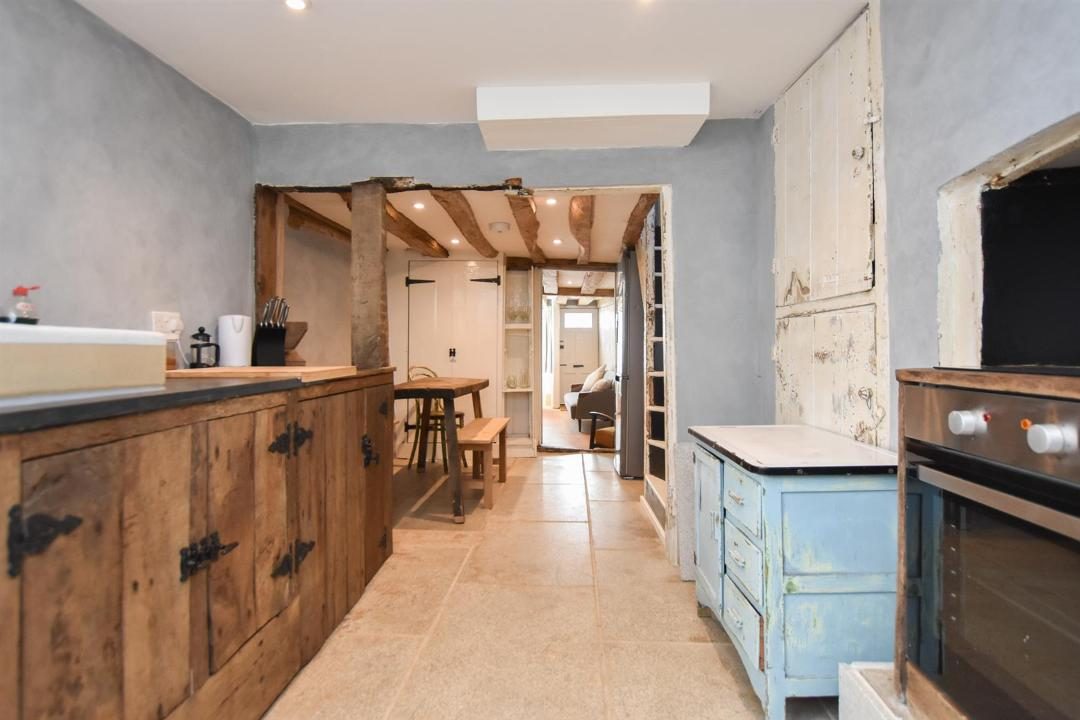
About the consultationIn Lydd, in Kent, two adjoining timber-framed houses had at some point been knocked into one. I separated them back into two. After that came a Jacobean house on the High Street in Hastings, then a Tudor house at Whitefriars, also in Hastings, and later Westgate and Southgate in Chichester.
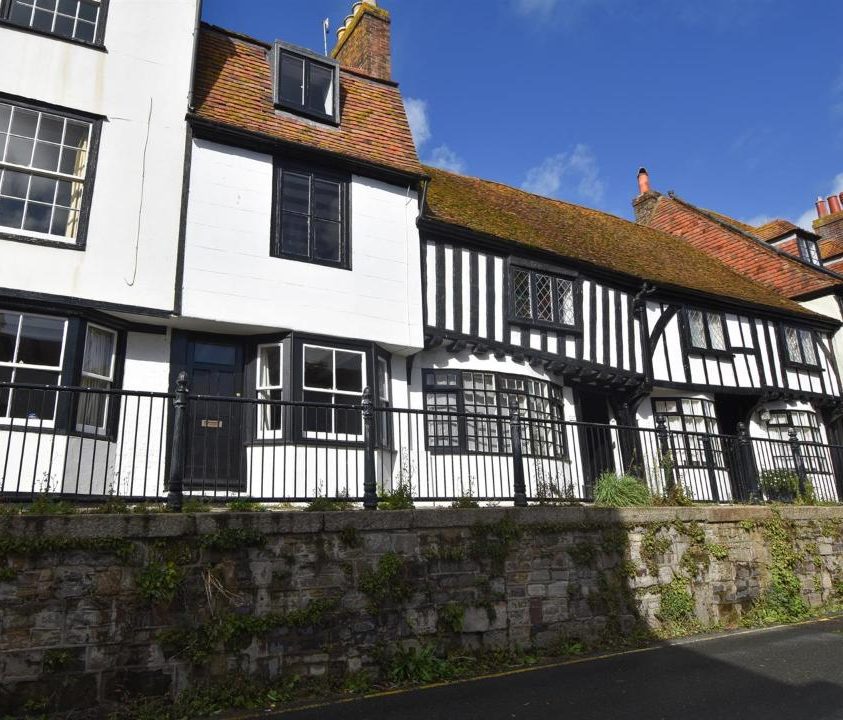
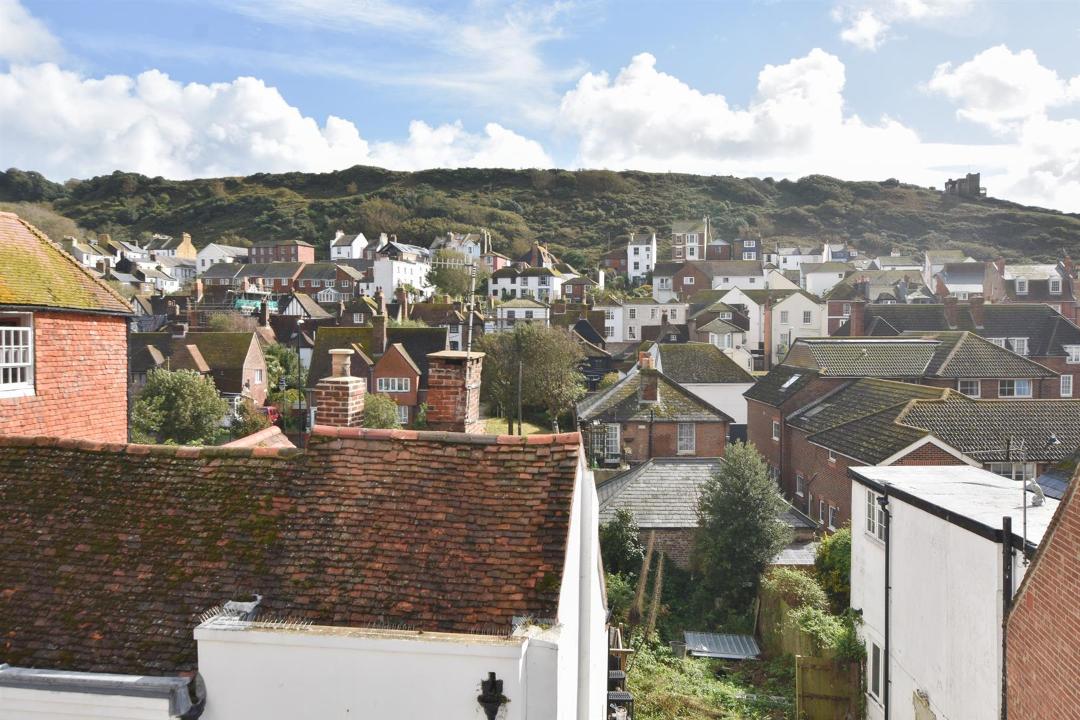
101 High Street, Hastings Old Town
What living in them teaches you
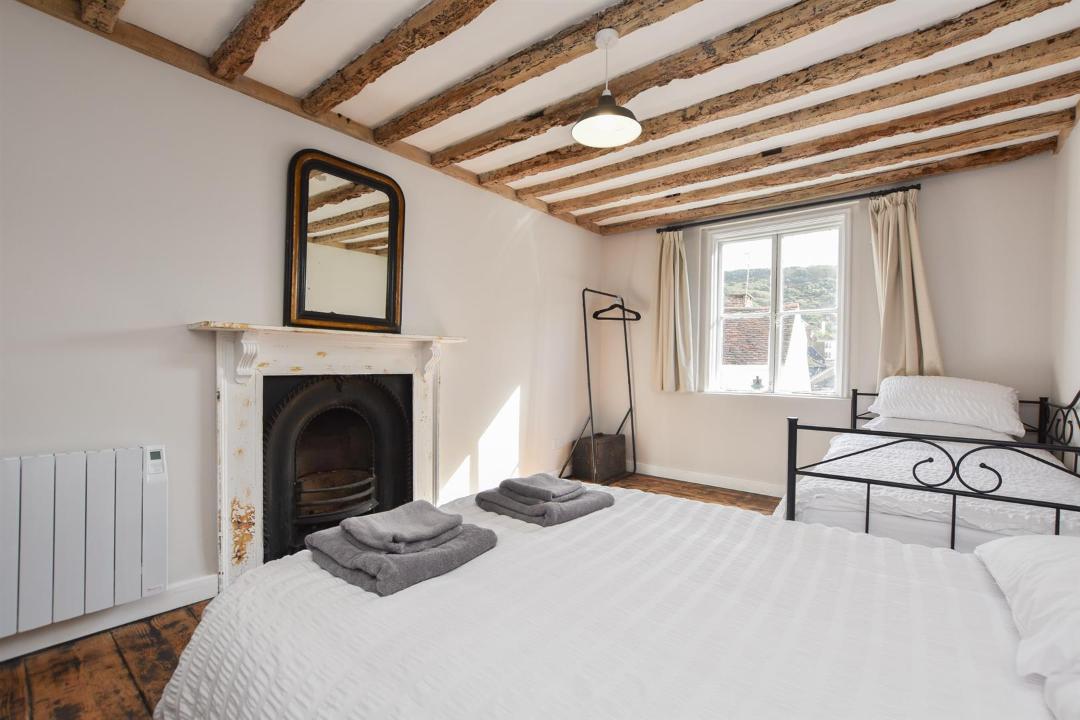
Restoring beams is what I am known for. I grew up around the process my mother developed in 1997: work the timber by hand, don’t sandblast it, don’t strip the history off the surface. Back From Black renovates the beams that are already there; we don’t repair or replace structural timber.
Alongside restoring my own properties, I’ve helped develop and carry out our beam-renovation process in more than 1,000 UK homes. Being invited into those houses has taught me far more than timber alone: I’ve learned from the people living there, their tastes, their choices, and how colours, materials and furnishings work together. That experience shapes the advice I give today.
A period house is more than its beams, and living in them teaches you the rest: which wall colours make a low room feel generous, where damp is coming from, how sound travels through old floors, whether carpet helps, where to find the right materials, and which jobs are worth paying a specialist for.
Nothing is removed. Everything is revealed. The founding principle · Est. 1997
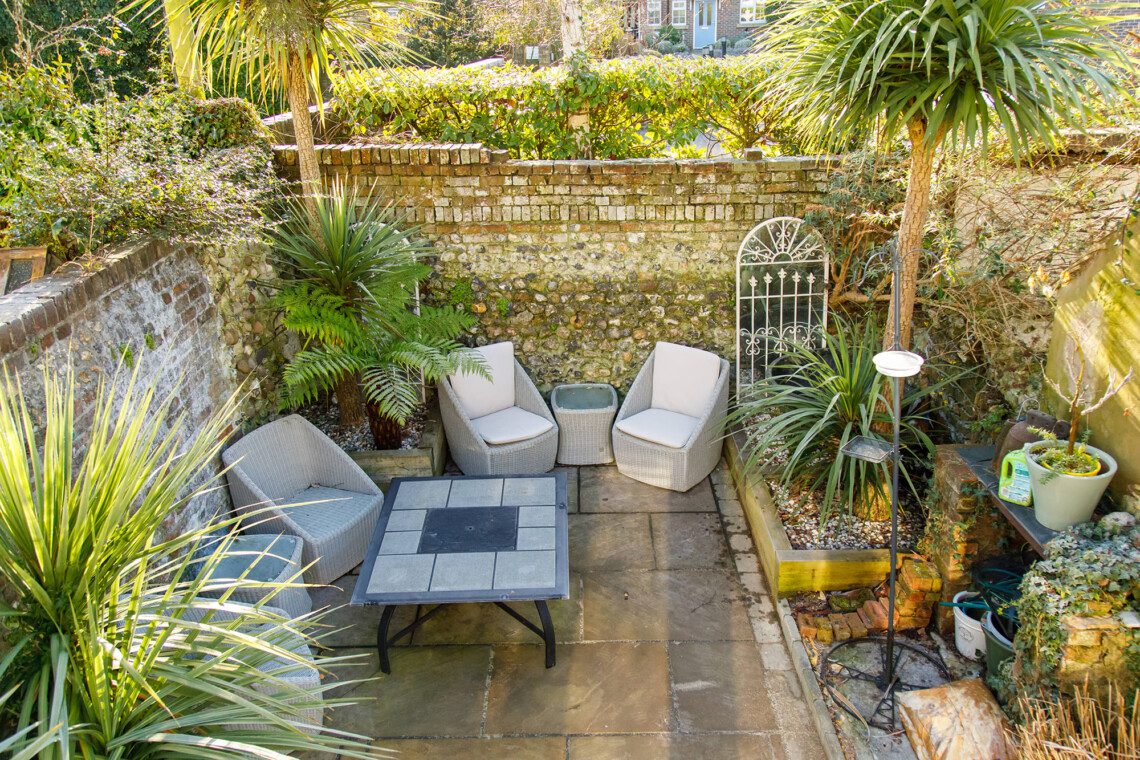
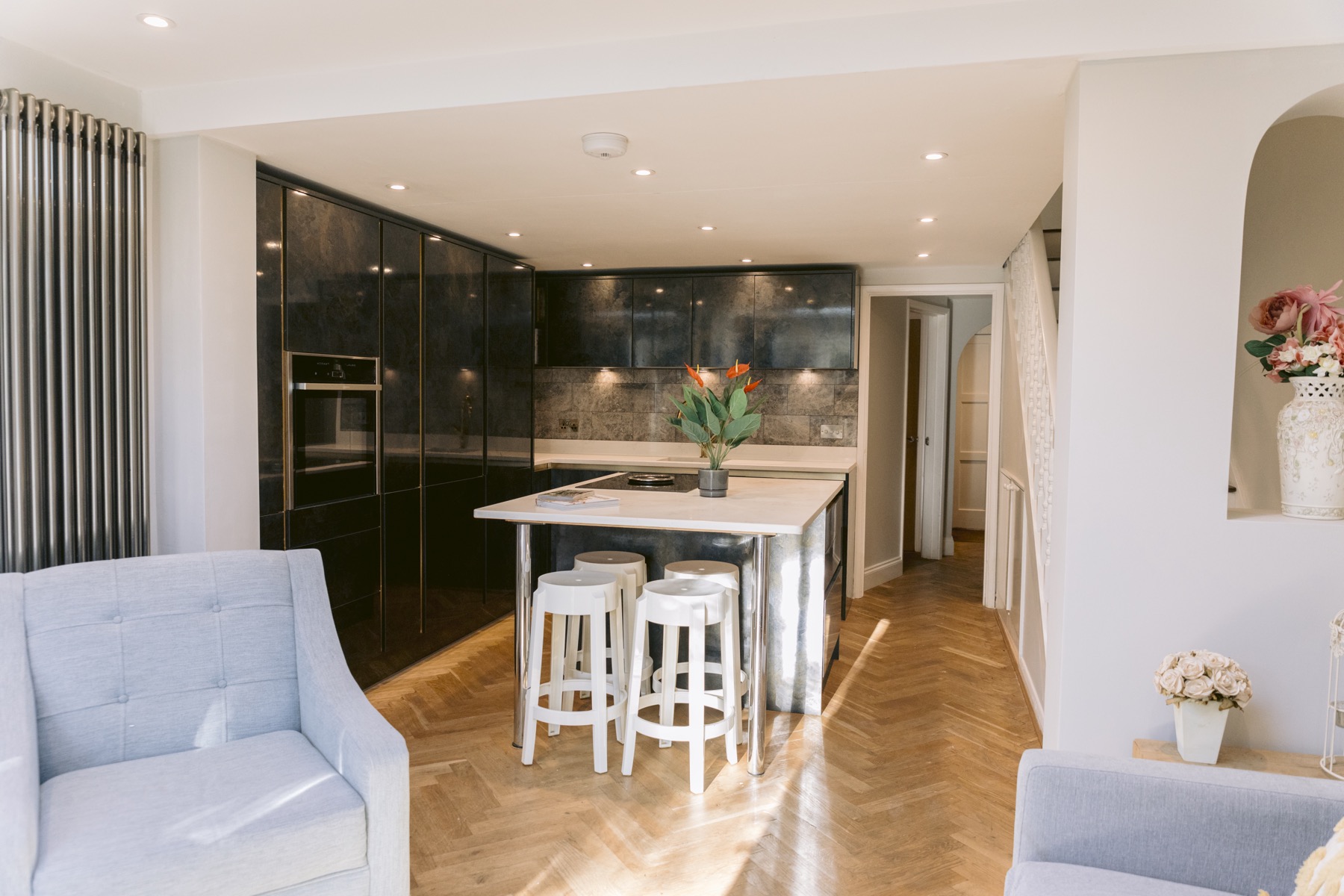
The cottage in Chichester
The practical reality
Materials are expensive, and specialist trades for slow, traditional work — lime plastering is a good example — cost a great deal, because the work is skilled and time-intensive. Some older techniques are perfectly feasible as DIY, if you are that way inclined and the job suits it. Many are not. It depends on the building, the task and the owner.
Eventually, with children at home, we chose a new build. I wanted a house that didn’t need me every weekend. That isn’t a verdict against old houses; I still think they make the best homes there are. It is an honest measure of how much they ask of you, and I would rather you knew that before you buy than after.
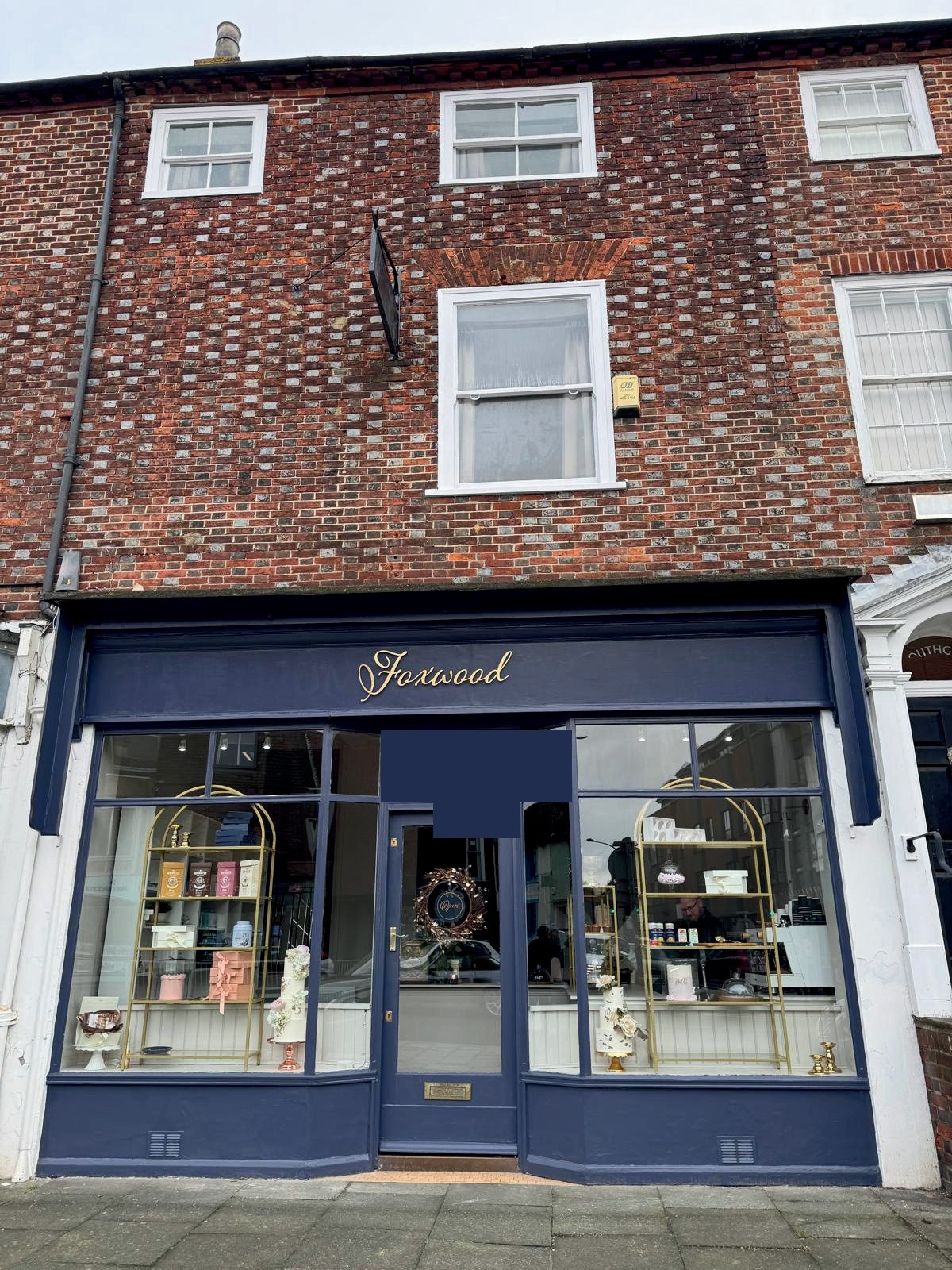
Foxwood, Chichester
The Period House Hour · online consultation with Nick
Thinking of buying a period house? Talk to me first.
The most useful conversation is often the one before you commit. If you are weighing up a period house, or you already own one and aren’t sure what to do next, book an hour with me. I might talk you into it. I might talk you out of it. Either way, you will decide with your eyes open.
Beforehand, send me photographs of the house, inside and out, or the listing if you are still looking. Then we spend the hour on what matters: what you would be taking on, what to tackle first and what to leave alone, where specialist trades earn their money and where careful DIY might do. Beams if they are part of it, but also colour, design, damp, sound, carpets and sourcing the right materials.
One hour online, with me: £200.
This is practical, honest advice from someone who has lived it. It isn’t a survey, a structural diagnosis, legal or planning advice, project management or a forecast of value. Where you need one of those, I’ll say so.
To book, call 01243 979790 (Charlene, Monday to Friday, 8am to 6pm) or get in touch through the website and ask for the Period House Hour.
Only interested in your beams? The Beam Check is separate and carries no obligation: send three photographs and we’ll tell you what they need.